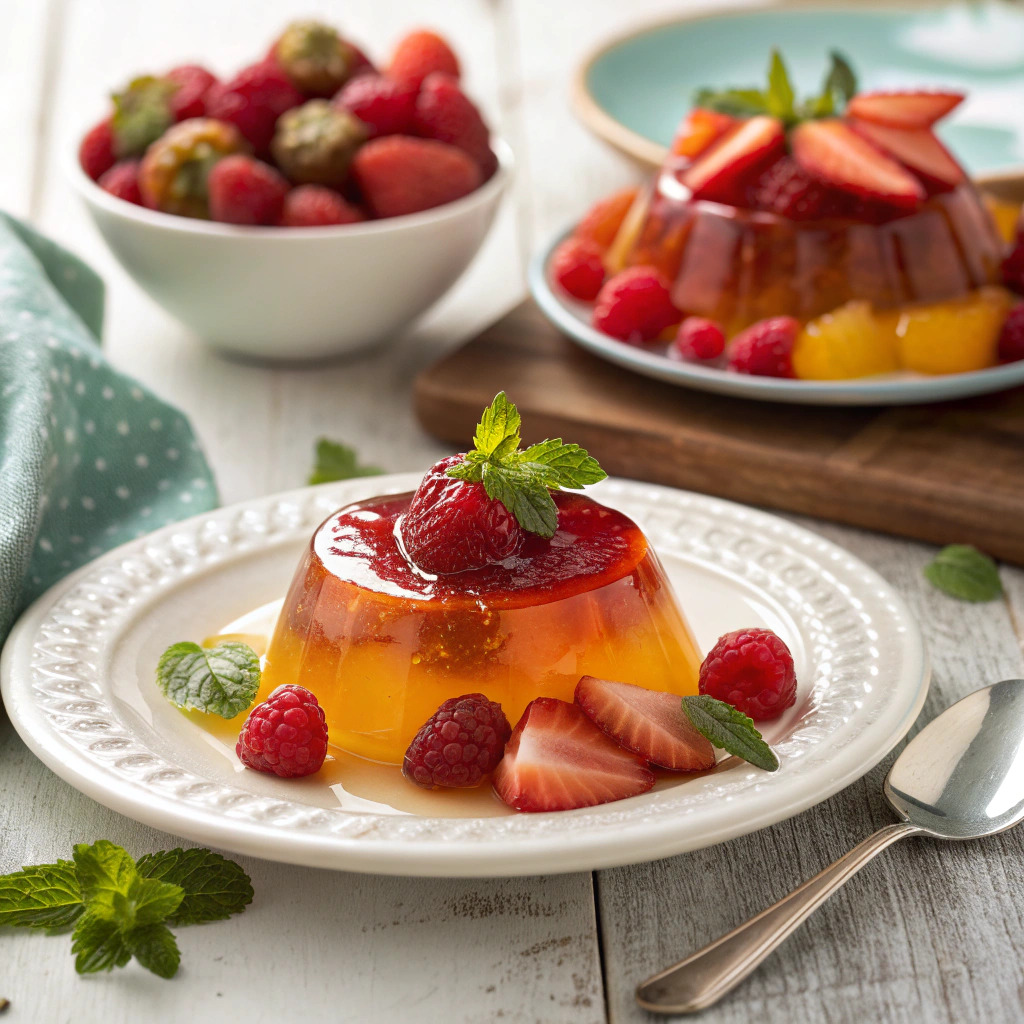
Experience the delightful taste of homemade fruit jelly, bursting with natural flavors and sweetness. This easy recipe lets you enjoy a classic treat that brings back fond memories of childhood.

The Reason This Recipe Lives in My Regular Rotation
Creating your own fruit jelly from scratch is a rewarding process that allows you to control the ingredients and flavors. This recipe uses seasonal fruits, which not only enhances the taste but also ensures that you are consuming a natural product without any artificial additives. The beauty of homemade fruit jelly lies in its versatility; you can use a variety of fruits to create unique blends or stick to your favorites. The end result is a spreadable, flavorful jelly perfect for toast, desserts, or even as a filling in pastries.
Making fruit jelly at home is also an eco-friendly choice, as you can reduce waste by using fruits that are in season or slightly overripe. The satisfaction of making something from scratch adds to the joy of sharing it with family and friends. The process involves simmering the fruit, extracting the juices, and combining it with sugar and pectin to achieve that perfect jelly texture. This recipe ensures that you achieve the right consistency while preserving the vibrant flavors of the fruit.
Tools Checklist
To make fruit jelly, you will need several essential tools to ensure a smooth process.
- A large pot for cooking the fruit and sugar mixture.
- A fine mesh strainer or cheesecloth for extracting the juice.
- A wooden spoon for stirring.
- Canning jars and lids for preserving the jelly.
- A candy thermometer to check the temperature of the mixture.
- A ladle for filling the jars. Having these items ready will make your jelly
- making experience enjoyable and efficient.
Knowledge Bombs
To achieve the best results, always choose ripe, fresh fruits, as this will enhance the flavor and color of your jelly. Ensure that your jars and lids are sterilized before use to prevent spoilage. When cooking the fruit, avoid boiling too vigorously, as this can cause the mixture to burn. Stir regularly to prevent sticking. Always check the consistency of your jelly by performing the cold plate test: place a spoonful of the mixture on a cold plate and let it sit for a minute, then run your finger through it to see if it holds its shape. Remember to follow food safety guidelines; ensure that your fruit jelly reaches a safe temperature during cooking to kill any harmful bacteria. Additionally, if you are canning the jelly, make sure to follow proper canning procedures to avoid spoilage.
Recipe Card

Ingredients
- 4 cups fresh fruit (such as strawberries, raspberries, or peaches)
- 1 cup sugar
- 2 tablespoons pectin
- 1 tablespoon lemon juice (for acidity)
Instructions
- Wash and prepare the fruit, removing any stems or pits. Chop larger fruits into smaller pieces.
- In a large pot, combine the fruit and lemon juice. Cook over medium heat, stirring occasionally, until the fruit breaks down and releases its juices, about 10 to 15 minutes.
- Use a fine mesh strainer or cheesecloth to separate the juice from the fruit pulp. Measure the juice and return it to the pot.
- Add the sugar and pectin to the juice. Stir well to combine and bring the mixture to a rolling boil over medium-high heat for about 5 minutes.
- Use a candy thermometer to ensure the mixture reaches the appropriate temperature for setting, around 220°F.
- Remove the pot from heat and ladle the hot jelly into sterilized jars, leaving some space at the top.
- Seal the jars with lids and allow them to cool at room temperature before storing them in the refrigerator or pantry.
Storage Instructions
Store the jelly in a cool, dark place for up to one year. Once opened, refrigerate and consume within three weeks.
Freestyle It
Consider experimenting with different fruits to create unique flavors. For example, combining strawberries with basil can add a refreshing twist. You can also use citrus fruits like oranges or lemons for a tangy jelly. Adding spices such as cinnamon or ginger can enhance the flavor profile as well. If you prefer a lower sugar option, consider using a sugar substitute, but be sure to check that it is suitable for making jellies. Additionally, infusing your jelly with herbal flavors or tea can create sophisticated variations that are perfect for gourmet gifts.
Sidekicks
Fruit jelly is incredibly versatile and can be used in numerous ways. Spread it on warm toast or biscuits for a delightful breakfast. It can also be used as a filling for cakes, cupcakes, or pastries. For a refreshing treat, serve it over yogurt or ice cream. Consider pairing your homemade jelly with cheese on a charcuterie board for an elegant appetizer. The vibrant colors and flavors will surely impress your guests.
Fixing What Went Wrong
| Problem | Solution |
|---|---|
| The jelly did not set properly. | This may be due to insufficient pectin or cooking time. Ensure you follow the recommended ratios of fruit to sugar and pectin. If the jelly is too runny, you can reheat it, adding more pectin and cooking it a bit longer until it reaches the desired consistency. |
| The jelly has a cloudy appearance. | Cloudiness can occur if the fruit is not strained properly. Make sure to use a fine mesh strainer or cheesecloth to ensure a clear juice before combining with sugar and pectin. Additionally, avoid stirring the mixture too vigorously while it cooks, as this can incorporate air and cause cloudiness. |
Q&A Session
Can I use frozen fruit for this recipe?
Yes, frozen fruit can be used, but ensure it is thawed and drained of excess moisture before cooking.
How can I tell if my jelly is set properly?
Perform the cold plate test by placing a spoonful of jelly on a cold plate and checking if it holds its shape after cooling.